
The Ultimate Guide to Heat Pumps: Costs, Efficiency, and How They Work

Are you considering a heat pump for your home? You are not alone. As energy prices fluctuate and sustainability becomes a priority, millions of homeowners are searching for smarter heating and cooling solutions.
This comprehensive guide breaks down everything you need to know. We will cover how heat pumps work, what they cost, and whether they are the right choice for your property.

How Does a Heat Pump Work?

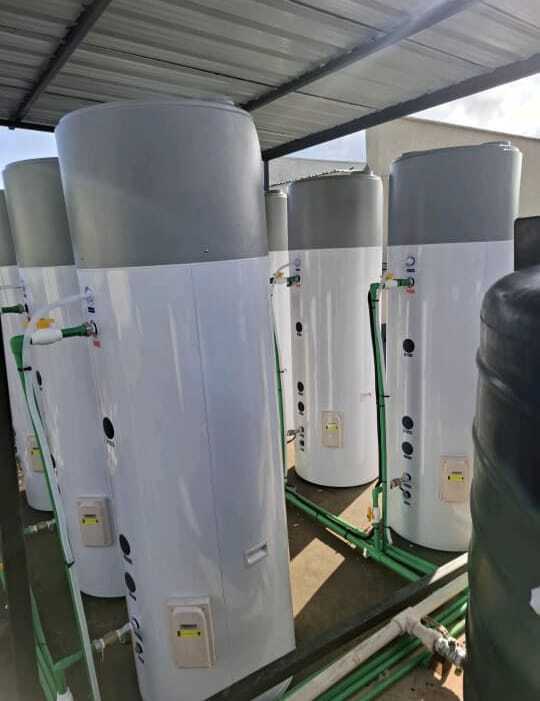
A heat pump works much like a refrigerator, but in reverse. Instead of removing heat from inside a fridge, it extracts heat from the surrounding air and transfers it into the water stored in the tank.

The process involves four main components:

  • Evaporator: Absorbs heat from the surrounding air.
  • Compressor: Compresses the refrigerant, increasing its temperature.
  • Condenser: Transfers the heat into the water tank.
  • Expansion Valve: Reduces the refrigerant pressure so the cycle can repeat.

Even when outdoor temperatures are relatively cool, there is still enough heat energy in the air for the heat pump to operate efficiently.
Why Are Heat Pumps So Energy Efficient?

Traditional electric water heaters use heating elements that convert electricity directly into heat. Every kilowatt of electricity consumed produces roughly one kilowatt of heat.

Heat pumps are different. They use electricity only to run the compressor and fan while moving existing heat from the air into the water. Because they transfer heat rather than create it, they can deliver three to five times more heat energy than the electrical energy they consume.

This means a heat pump can reduce electricity consumption for water heating by 60% to 75%, resulting in significant savings over its lifetime.

Heat pump technical specifications 

  • R134A refrigerant for efficient heat transfer.
  • COP of up to 400%, delivering outstanding energy efficiency.
  • Enamel-coated water tank that resists corrosion and extends the tank's lifespan.
  • Sacrificial magnesium anode to provide additional corrosion protection and improve durability.
  • Built-in electric backup heating element, ensuring continuous hot water during periods of exceptionally high demand or low ambient temperatures.
  • Capable of completing up to 10 heating cycles per day, making it suitable for high hot-water demand applications.
  • Wi-Fi enabled monitoring and control, allowing users to monitor system performance, adjust temperatures, schedule operation, and receive alerts remotely via a smartphone app.

Heat Pump vs. Other Water Heating Methods

#
Water Heating System
Energy Efficiency
Running costs
1Electric Storage Heater
lowHigh
2
Instant Electric Heater
ModerateHigh
3
Gas Water Heater
Moderate Medium
4
Solar Water Heater
Excellent (sunlight dependent)Very low 
5
Heat Pump Water Heater
ExcellentVery low

Where Can Heat Pumps Be Used?

Heat pump water heaters are suitable for:

  • Homes and residential properties
  • Hotels and lodges
  • Apartments
  • Schools and universities
  • Hospitals
  • Gyms and sports facilities
  • Commercial buildings

They are especially ideal for facilities that require large amounts of hot water every day while keeping operating costs low.